

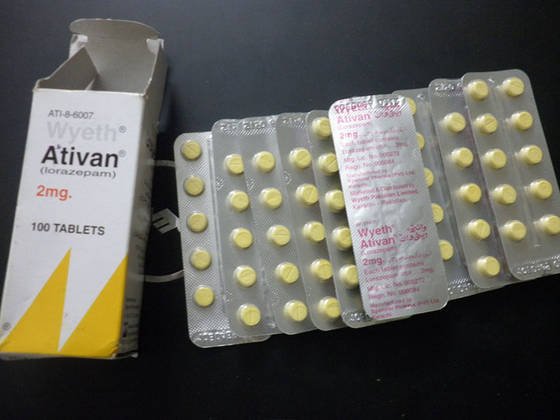
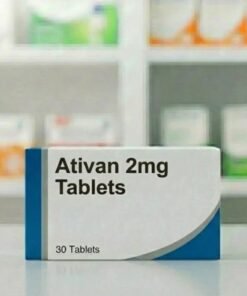
Buy Ativan 2mg

Price range: $150.00 through $570.00
Ativan (Lorazepam) 2.5mg Tablets are a prescription-only benzodiazepine medication used for the short-term treatment of severe anxiety, insomnia associated with anxiety, and as a premedication before surgical or diagnostic procedures. Manufactured under strict MHRA guidelines, these tablets provide fast-acting relief by calming the central nervous system, helping to reduce symptoms like excessive worry, restlessness, and sleep disturbances. In the UK, Lorazepam is commonly available in 1mg and 2.5mg strengths, with the 2.5mg tablet offering a higher dose for more pronounced effects when.
Ativan 2mg (Lorazepam): Uses, Safety Information and What to Know
Ativan 2 mg contains lorazepam, a prescription medicine in the benzodiazepine family. If you are researching this product, the most important points are what it is prescribed for, how its risks are managed, and why it should only be taken under a clinician’s direction. This overview explains those points in clear terms, including important cautions about sedation, alcohol, other medicines, dependence and stopping treatment.
Featured snippet: What is Ativan 2 mg?
Ativan 2 mg is a prescription tablet containing 2 milligrams of lorazepam, a benzodiazepine that slows activity in the brain and nervous system. Clinicians may prescribe lorazepam for severe anxiety or related short-term symptoms. It can cause drowsiness, impair coordination and lead to dependence, so it should be used only as prescribed and never shared.
Prescription medicine: This page is for general information, not a recommendation to start, change or stop treatment. A qualified healthcare professional should decide whether lorazepam is appropriate for you. Product availability, approved uses and prescribing rules differ by country.
Ativan 2 mg at a glance
- Active ingredient: Lorazepam
- Medicine class: Benzodiazepine
- Strength: 2 mg per tablet
- Typical role: Short-term treatment of severe anxiety or related symptoms, when prescribed
- How supplied: Oral tablets; exact pack and product details depend on the market
- Prescription status: Prescription-only in many countries
- Key safety issues: Sleepiness, impaired coordination, interactions with alcohol and opioids, dependence and withdrawal
Ativan is a brand name for lorazepam. The medicine’s strength does not determine whether it is appropriate for a particular person: a prescriber considers the reason for treatment, health history, other medicines and individual response. A 2 mg tablet should not be treated as a default or “standard” dose for everyone.
What is lorazepam used for?
Lorazepam may be prescribed for severe anxiety and, in some cases, sleep problems related to anxiety. Clinicians may also use it in specific medical settings, such as before a procedure, depending on local guidance and the patient’s needs. Approved indications vary between countries and formulations. Check the product leaflet and ask a pharmacist or prescriber about the exact product supplied to you.
Lorazepam is generally intended for short-term use when prescribed for anxiety or anxiety-related sleep problems. It can reduce symptoms, but it does not by itself address every cause of anxiety. A clinician may discuss other approaches, such as therapy or a longer-term treatment plan, depending on the person’s circumstances.
How does Ativan work?
Lorazepam increases the effect of gamma-aminobutyric acid (GABA), a chemical messenger that reduces activity in parts of the brain. This can have a calming and sedating effect. The same effect may also make someone sleepy, dizzy, less alert or unsteady.
That is why symptom relief and safety have to be considered together. Feeling calmer does not mean it is safe to drive, operate machinery or combine the medicine with alcohol or other sedating substances.
What does “2 mg” mean?
“2 mg” refers to the amount of lorazepam in each tablet. It does not tell you how many tablets to take, how often to take them or how long treatment should continue. Those instructions must come from the prescription label and prescriber.
Do not take extra tablets because symptoms continue, because another person takes a different amount, or because you believe a higher dose will work faster. If your prescribed instructions are unclear, check with the pharmacist or prescriber before taking the medicine.
Taking Ativan 2 mg safely
Follow the exact directions on your prescription label. The right schedule depends on why lorazepam was prescribed and on individual health factors. Do not change the dose, take it more often, extend the treatment period or use someone else’s supply without medical advice.
A practical safety checklist
- Confirm the instructions. Check the medicine name, strength and directions against your prescription. Ask a pharmacist if anything is unclear.
- Tell your clinician about other substances. Provide a complete list of prescription medicines, over-the-counter products, supplements and recreational substances.
- Avoid alcohol. Alcohol can intensify sedation and other effects of lorazepam.
- Do not drive if impaired. Avoid driving, cycling or using machinery while sleepy, dizzy, unsteady or less alert.
- Keep it secure. Store the medicine in its original packaging, away from children and other people. Never share it.
- Ask before stopping. If you have been taking lorazepam regularly, contact your prescriber for a stopping plan rather than stopping suddenly.
For missed-dose instructions, follow your patient leaflet or ask a pharmacist. Do not take a double dose to make up for one you missed.
Side effects and warning signs
Side effects vary. Common effects can include drowsiness, tiredness, dizziness, weakness, unsteadiness and problems with coordination or memory. These effects may be more concerning for older adults or anyone at risk of falls.
Seek urgent medical help for very slow or difficult breathing, extreme sleepiness, inability to wake, collapse or a severe allergic reaction. These symptoms can become emergencies, especially if lorazepam has been combined with alcohol, opioids or other sedating medicines. For detailed patient guidance.
Important interactions
Lorazepam can interact with medicines and substances that also slow the brain or breathing. Examples include opioid pain medicines, some cough medicines, sleeping pills, sedatives and alcohol. The combination may cause profound sleepiness, breathing problems, coma or death. Risk depends on the combination and the person, so medication review with a clinician or pharmacist is essential.
Do not assume that an over-the-counter medicine or supplement is safe to combine with lorazepam. Share the name and dose of everything you take with your care team. For specific interactions, use the patient leaflet and a pharmacist’s advice; the NHS also summarizes
Dependence, tolerance and withdrawal
Lorazepam can cause physical dependence, particularly with regular or prolonged use. Tolerance can also develop, meaning the same dose may seem to have less effect. These risks are reasons for a prescriber to review treatment duration and benefits.
Do not stop lorazepam suddenly after regular use unless a clinician tells you to. Abruptly stopping or reducing the dose can cause withdrawal symptoms, which may include anxiety, restlessness, sleep problems, shaking and, in severe cases, seizures. A prescriber can advise whether and how to taper the dose safely. If you are worried that you are relying on lorazepam or want to stop, speak openly with your clinician; do not try to manage withdrawal alone.
Who should speak to a clinician before taking it?
Before treatment, tell the prescriber if you have breathing problems, sleep apnoea, liver disease, a history of substance-use problems, depression or thoughts of self-harm. Also discuss pregnancy, plans to become pregnant, breastfeeding, older age and any history of falls. These factors do not all mean lorazepam is automatically unsuitable, but they can change the risk assessment and treatment plan.
If you develop new or worsening symptoms, concerning side effects or questions about whether the medicine is working, contact your prescriber. Do not increase the dose yourself.
Ativan 2 mg versus other lorazepam strengths
The active ingredient is lorazepam, but tablets may be available in different strengths depending on the country and manufacturer. A lower-strength tablet may allow a prescriber to use a smaller amount; a higher-strength tablet contains more lorazepam per tablet. Neither is inherently “better.” The selected strength and schedule depend on the prescription and the individual’s needs.
Do not substitute one strength for another by guessing or splitting tablets unless your prescriber or pharmacist confirms that the specific tablet can be divided and gives clear instructions. Packaging, scoring and approved use can vary between products.
Storage and disposal
Keep lorazepam in its original, labelled container and store it securely according to the leaflet. Keep it out of reach of children and anyone for whom it was not prescribed. Do not give unused tablets to another person.
For disposal, ask a pharmacist or local medicines take-back service about the recommended method in your area. Do not keep old tablets “just in case” without checking with your prescriber, and do not dispose of them in a way that could expose children, pets or others.
Frequently asked questions
Is Ativan 2 mg a prescription medicine?
Yes. Lorazepam is prescription-only in many countries and should be used only by the person named on the prescription. Local regulations and approved uses vary, so check with a licensed healthcare professional in your country.
Is Ativan 2 mg used for anxiety?
Lorazepam may be prescribed for severe anxiety and, in some cases, related short-term symptoms. Whether it is suitable depends on a clinician’s assessment, the person’s health history and local prescribing guidance.
Can I drink alcohol while taking Ativan?
Avoid alcohol unless your prescriber specifically gives you different advice. Alcohol can intensify lorazepam’s sedating effects and may increase the risk of dangerous breathing problems or difficulty waking.
Can I drive after taking lorazepam?
Do not drive or operate machinery if lorazepam makes you sleepy, dizzy, unsteady or less alert. Ask your prescriber or pharmacist about driving restrictions that apply to your medicine and location.
Can I stop taking Ativan 2 mg suddenly?
Do not stop regular lorazepam treatment suddenly without medical advice. Withdrawal can be serious, and a prescriber may recommend a gradual dose reduction. Contact your clinician for an individualized plan.
Is Ativan 2 mg stronger than a lower-strength lorazepam tablet?
Each 2 mg tablet contains more lorazepam than a tablet of a lower strength. That comparison does not establish which strength is right for a person. Follow only the dose and schedule on your own prescription.
What should I do if I take more than prescribed?
Contact a local poison information service, urgent medical service or emergency department for advice, especially if there is severe sleepiness, confusion, slow or difficult breathing, collapse or trouble waking. Do not wait for symptoms to worsen. Keep the medicine packaging available for healthcare professionals.
| Quantity | 100 Tablets, 200 Tablets, 500 Tablets, 1000 Tablets |
|---|
4 reviews for Buy Ativan 2mg
Add a review
Related products

ANXIETY PILLS


ANXIETY PILLS
sex on the beach –
Online Meds UK has become my go-to for all my medication needs. Great prices, reliable products, and super friendly support. Thank you for making healthcare easier.
Bettie Bee –
Just had my first successful purchase of Ativan 2mg UK here and it’s a massive touchdown! Lightning-fast delivery, everything arrived safely and privately. Within an hour I felt calm and in control again. Excellent service and real product — I couldn’t be happier!
Henry tii –
I was a bit nervous ordering Ativan online for the first time, but everything went super smooth! The order was processed quickly, and it touched down safely at my door with no issues at all. It’s the genuine government-approved medication, which gave me total peace of mind. Helps me manage my anxiety really well without feeling too heavy. Super reliable service I’ll definitely be back!
John terry –
Third reorder of Ativan and it’s always perfect. Easy order placement, reliable tracking, and another successful touchdown. These help me sleep peacefully without grogginess the next day.